Check the order against the packing slip on arrival, inspect packaging and labels, test screens before applying adhesive, store parts in their original bags, and start returns promptly under the supplier's written policy. Before you stock up, read that policy for warranty scope, whether installed parts are accepted, refund or credit, return shipping and restocking fees.
What should you check on arrival?
| Step | Check |
|---|---|
| 1 | Items and quantities match the packing slip |
| 2 | Outer box undamaged; screens individually protected |
| 3 | Model and quality tier labels on each bag |
| 4 | Batteries not swollen or damaged |
| 5 | Parts put away in their original bags, labeled by model |
How should you test before installing?
Connect screens to the phone and test touch, colors and brightness before any adhesive goes on. Test charging port flexes and batteries in the phone before closing it. Parts that fail can then be returned in new condition. Keep a count of failures per part and supplier: that failure rate is what the cost per good part calculator needs when you compare offers.

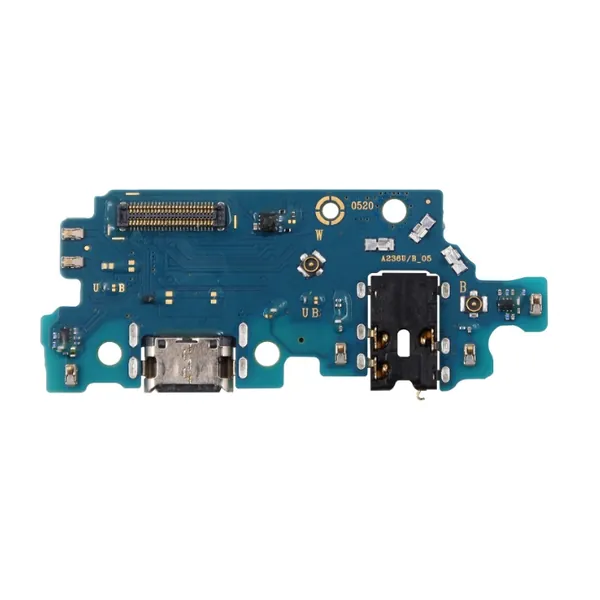
Bench test before the part is sealed in
| Part | Test | Do it before |
|---|---|---|
| Screen | Touch across the whole panel, colors, brightness | Removing the lens sticker, film or adhesive seal |
| Charging port flex | The phone charges from a known good cable | Closing the phone |
| Battery | No swelling or damage, the phone powers on from it | Closing the phone |
If a part fails, put it straight back in its original bag with a note of the fault and the date, then follow the return steps below.
What should a supplier's return and warranty policy tell you?
Read the policy before the first order, not when a screen fails. The questions below decide whether a bad part costs you nothing or a full replacement. The third column shows how one published policy answers them: the Parts4Cells return policy, as rechecked on November 28, 2026 (first read November 11). Policies change, so check the live page of whichever supplier you use.
| Question | Why it matters at the bench | One published answer (Parts4Cells, read 2026-11-28) |
|---|---|---|
| Which parts carry a warranty, and for how long? | Coverage often differs by part type and quality grade, so a cheaper grade can mean no warranty. | Lifetime warranty on brand-new LCDs, small parts and digitizers. Batteries covered for life unless misused, damaged or swollen. Tools and accessories not covered; best quality pulls generally not covered. |
| Are installed parts accepted? | Decides whether you can install first and test later, or must test before anything is fitted. | Installed parts that are defective but not broken and still power on are accepted. Removing the lens sticker or seal covering adhesive on an LCD counts as installed. An installed LCD without a frame is not covered. LCDs with factory glue separation from the lens are accepted. |
| How does the supplier identify its own parts? | Removing or covering an ID mark can void a claim. | Items need the supplier's stamp to qualify. Parts without it are not accepted and are recycled after 7 days unless you arrange their return. |
| What damage voids the claim? | Tells you which handling mistakes to train out of the shop. | Not accepted: ripped flex cables, chips or scratches on the frame or glass, pressure points, bleeding screens, and damage from improper installation or removal. |
| Refund, store credit or exchange? | Store credit only helps if you will buy from that supplier again. | Store credit or exchange, based on current pricing. |
| Who pays return shipping? | Small returns can cost more to ship than they recover. | Return labels come from the Easy Returns tab on the site, or a sales rep or customer service can issue one; a flat $10.00 label fee applies when a return label is issued. |
| Can you send back new parts you no longer need? | Lets you correct an overstock without writing it off. | Unused new parts accepted; 10% restocking fee on restocked items, none on defective parts. Only new, uninstalled parts that pass quality control are restocked. To pick which parts to send back, see returning unused parts. |
| How long until the credit appears? | Affects how much spare stock you need while a return is open. | RMA processing generally takes 1 to 3 business days after the items arrive, with an emailed RMA report; backlogs can make it longer. |
| Is there cross-shipping for urgent jobs? | A replacement sent before the return arrives keeps a customer job moving. | Available through customer service with a short form; the part you do not need goes back within 7 days with the P4C logo and in the condition it was sent, or the card on file may be charged. |
What this changes in your receiving routine
- Leave lens stickers, protective film and adhesive in place until the part passes a test in the phone.
- Never remove or cover the supplier's stamp or label, even when the part goes on the shelf.
- Keep defective parts in their original bag with a note of the fault and the date.
- Batch small returns into one shipment when the policy charges a flat label fee.
- Track open store credit like cash, and spend it on your next weekly order.
How do you return a part correctly?
- Read the policy: window, condition, and whether installed parts are accepted.
- Contact support with the order number and a clear fault description.
- Return in the original packaging, without adhesive, scratches or tool marks.
- Keep the tracking number until the credit appears.
For help diagnosing whether a part is really faulty, contact the supplier's technical support first. It often turns out to be a fitment or connector issue.
How should you ship back batteries?
Lithium batteries are regulated hazardous materials in transport. US PHMSA notes that damaged, defective or recalled batteries have greater potential to short circuit than undamaged ones, and shippers must follow the Hazardous Materials Regulations (49 CFR 173.185). Ask the supplier for its battery return instructions before shipping one back, and check whether a swollen pack is covered at all: some warranties exclude swollen batteries. For what to do with a swollen pack in the shop, see handling swollen batteries.
Questions repair shops ask
Is a lifetime warranty on phone parts the same as being able to return anything?
No. A warranty covers defects, and the policy decides what counts as one. Read the exclusions: installed parts, removed protective film or adhesive, ripped flex cables, pressure marks and missing supplier stamps are common reasons a claim is refused.
Can I return a screen after it has been installed?
It depends on the supplier's written policy. Some accept installed parts only if they still power on and show no physical damage, and some treat a removed lens sticker as installed. Test the screen before peeling anything so the question never comes up.
Do I get cash back or store credit for a defective part?
Check the policy before you order. Many wholesale suppliers issue store credit or an exchange rather than a refund to the card, and credit may be based on the part's current price rather than what you paid.
Sources
- US PHMSA: Transporting Lithium Batteries (page updated October 12, 2023; checked November 28, 2026)
- Parts4Cells: Return Policy, linked in the policy section above (supplier example; first read November 11, 2026, rechecked November 28, 2026)
Sources checked November 28, 2026. Prices, stock and program terms change; confirm them on the linked pages.