Stock batteries only for the models you replace at least once a week, and hold enough to cover your supplier lead time plus a few safety days, usually one to five packs per model. Order everything else per job. Keep about two to four weeks of cover at most, store packs cool and dry in their original bags, use the oldest first, and pull any pack that is bulging or damaged.
Same method as the stock planner, with a shelf-time check added for batteries.
Which batteries earn a shelf spot?
Use your own repair history, not a generic top ten. Pull the last 90 days of battery jobs from your ticket system and sort by model.
- One or more jobs a week: keep it on the shelf and plan it with the calculator above.
- A few jobs a month: keep one pack at most, or order per job if your supplier ships fast.
- Rare or very old models: order per job. A pack that waits months for a customer is cash tied up in a part that is aging.
The same method works for iPhone, Galaxy, Pixel and Motorola batteries. Recheck the list every quarter, because the models coming in for batteries shift as phones age. A wholesale battery catalog sorted by brand and model makes it quick to match your list to what is available.
Why does battery demand keep coming back?
Every lithium-ion battery loses capacity as it is charged and discharged. Apple states that batteries in iPhone 14 models and earlier are designed to retain 80 percent of their original capacity at 500 complete charge cycles, and iPhone 15 models at 1000 complete charge cycles, both under ideal conditions (Apple Support, published June 1, 2026). That is why phones that have been in daily use for a few years keep coming back for batteries, and why your battery list will not match your screen list.
How many of each battery?
Reorder point = daily jobs x (lead time + safety days). Top-up level = daily jobs x (lead time + safety days + days between orders). Both are rounded up. The table uses a 3-day lead time, 2 safety days and a weekly order; Cover is days of demand the top-up level holds. The weekly job counts are illustrations; use your own.
| Model (example) | Jobs a week | Reorder at | Top up to | Cover |
|---|---|---|---|---|
| Busiest iPhone | 6 | 5 | 11 | 13 days |
| Common Galaxy A | 2 | 2 | 4 | 14 days |
| Older, rarer model | 0.5 | 1 | 1 | 14 days |
The last row is the trap. The math rounds up to one pack, but at one job every two weeks that pack can sit for weeks, and any slow spell stretches it further. For models like that, ordering per job is often the better call.
If the cover for a busy model runs past your shelf-time limit, order more often in smaller top-ups rather than buying a bigger batch. If your supplier has no minimum order quantity, small weekly top-ups are easy to place. Add each busy battery model as a row in the weekly reorder list so its top-up goes out with the rest of the order.
How should you store battery stock?
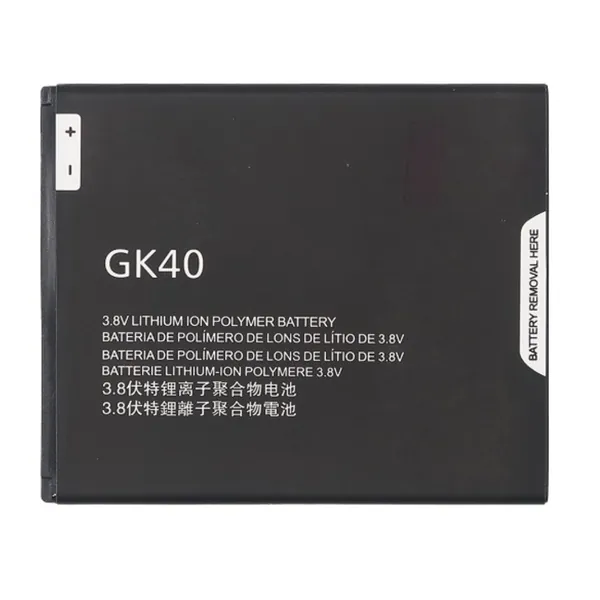
- Cool and dry. OSHA advises storing lithium batteries and devices in dry, cool locations, and warns that high temperatures (for example above 130°F) can damage them. Keep stock away from windows, heaters and the soldering station.
- In the original bags. Keep each pack in its own bag so terminals and flex connectors cannot touch metal tools, screws or each other.
- Labeled and rotated. Write the received date on each bag and pull the oldest pack first.
- Not charged before storage. Store packs as they arrived. Apple advises keeping an iPhone half charged for long-term storage and out of hot environments; the same idea, moderate charge and no heat, is a sensible rule for spare packs too.
Inspect every pack when the order arrives and again before you install it. Our receiving checklist covers the arrival checks.
What do you do with a swollen battery?
OSHA lists bulging, cracking, hissing, leaking, rising temperature and smoking as signs of damage to check for before use. If a pack shows any of them:
- Do not install, charge or puncture it.
- Move it away from flammable materials. OSHA recommends removing damaged batteries from service and placing them in a fire-resistant container, such as a metal drum, with sand or another extinguishing agent.
- Do not put it in the trash or a recycling bin. EPA says lithium-ion batteries should not go in household garbage or recycling bins; it advises taping the terminals with non-conductive tape, bagging each battery separately and contacting the battery or device manufacturer for damaged-battery handling. EPA also recommends that businesses consider managing lithium-ion batteries under the federal universal waste rules (40 CFR part 273). EPA announced on October 23, 2023 that it is developing a rule to add tailored universal waste standards for lithium batteries; its page, last updated March 20, 2026, still describes that rule as in development, so check it before you set up a recycling routine.
- If the pack arrived swollen, photograph it and contact the supplier before shipping anything back. PHMSA regulates lithium batteries as hazardous materials in transport and notes that damaged, defective or recalled batteries are more likely to short circuit than undamaged ones; the shipping requirements are in 49 CFR 173.185. Our battery return notes cover what to ask the supplier.
Frequently asked questions
How many batteries should a small repair shop keep in stock?
Only enough to cover your lead time plus a few safety days for the models you replace every week, usually one to five packs per model. Order batteries for rarer models per job.
Can you store phone batteries for a long time?
Keep the time short. Lithium packs age on the shelf, so plan for about two to four weeks of cover, store them cool and dry, and use the oldest stock first.
Does a battery warranty cover a swollen pack?
Often not. Read the supplier's written policy before you stock up. The published policy compared on our receiving and returns page, rechecked November 19, 2026, covers batteries for life but excludes packs that were misused, damaged or show swelling. Inspect every pack on arrival and report a swollen one to the supplier straight away.
Sources
- Apple Support: iPhone battery and performance (published June 1, 2026; checked November 19, 2026): capacity retention by model, long-term storage.
- OSHA SHIB 06-20-2019: Preventing Fire and/or Explosion Injury from Small and Wearable Lithium Battery Powered Devices (checked November 19, 2026): storage, inspection, damaged batteries.
- US EPA: Used Lithium-Ion Batteries (last updated March 20, 2026; checked November 19, 2026): disposal, terminal taping, universal waste, planned lithium battery standards.
- US PHMSA: Transporting Lithium Batteries (page updated October 12, 2023; checked November 19, 2026): hazardous materials status, damaged batteries, 49 CFR 173.185.
Sources checked November 19, 2026 (first checked November 7, 2026). Rules and supplier terms change; confirm them on the linked pages.